

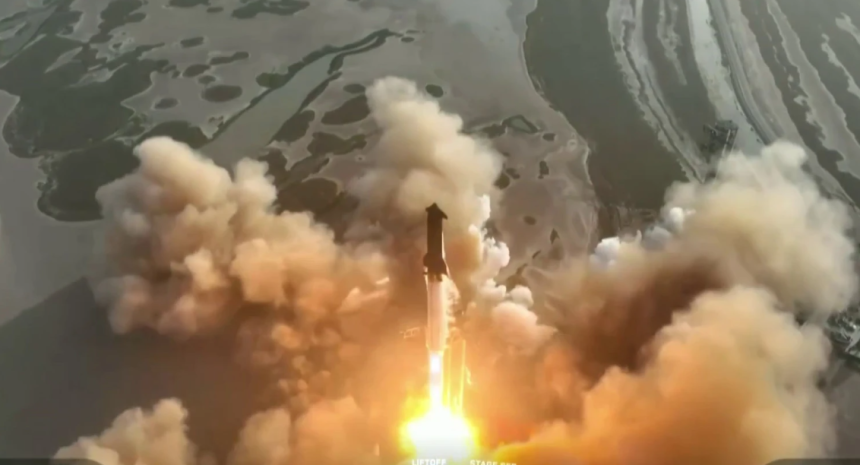
A SpaceX Starship prototype met a fiery end during a static-fire test at the company’s Boca Chica facility on Wednesday, raising fresh concerns about the safety of its experimental rocket program. The explosion, which occurred moments after engine activation, resulted in no injuries but has sparked investigations by federal and state authorities.
Dramatic Failure at Test Site
The test aimed to validate the performance of Starship’s Raptor engines, a key element in SpaceX’s plan to enable human exploration of Mars. Instead, the prototype burst into flames, scattering debris across the test pad. Local officials cordoned off the area, and SpaceX evacuated its staff without incident.
“An anomaly in the propulsion system is the likely cause,” a SpaceX official said. “We’re working with regulators to investigate thoroughly.”
Environmental and Safety Concerns
The FAA and Texas environmental agencies are examining the explosion’s impact, focusing on potential hazards from rocket fuel and debris. The incident has intensified scrutiny of SpaceX’s operations in Boca Chica, where rapid testing has occasionally disrupted local communities.
Environmental advocates called for tighter regulations. “The risk to wildlife and wetlands is unacceptable,” said Elena Garcia of the Texas Environmental Alliance.
A Hurdle for SpaceX’s Vision
The Starship program is pivotal to SpaceX’s collaboration with NASA, which envisions the spacecraft supporting lunar landings. This explosion may delay upcoming missions, as SpaceX engineers analyze the failure and implement fixes. However, the company’s track record suggests it can rebound from such setbacks.
Elon Musk, SpaceX’s CEO, framed the incident as a learning opportunity, stating, “Space exploration demands persistence. We’ll overcome this.”
The explosion highlights the inherent risks of developing cutting-edge aerospace technology. As SpaceX addresses the fallout, the industry awaits insights from the investigations that could influence the future of commercial spaceflight.
For More Visit:


